
Meet Trinity’s Community Dementia Nursing team in their own words.
The Royal Trinity Hospice does incredible work supporting people with dementia and those around them. This article was written by them to highlight the vital and incredible work that they do.
Dementia is a life-limiting illness and Amy, Joana and Marta offer specialist knowledge and skills to patients facing end of life who have this diagnosis. Trinity’s Community Dementia Nursing team focuses on really getting to know the person and their family, delivering meaningful and individualised care to people living in their own homes and across the community.
Find out from our Community Dementia Nurses about what a day in their life is like and how our team of Community Dementia Nurses help our patients:
“When we step into a patient’s home, we can find families at a loss with what is happening to their loved one because they don’t know much about what dementia is,” says Trinity Community Dementia Nurse Joana.
We can help educate families or the carer about the disease, signpost them to mental health teams and be there on the end of the phone for those ‘help me-out-I-don’t-know-what-to-do’ calls when they need a supportive voice at the other end.
Spouses or family members often talk about their own emotions likened to those of someone grieving, maybe they don’t recognise their loved one because they seem distant, or they aren’t acting or thinking in the way they used to.
The carer can be so busy caring that the actual relationship between family members or loved ones can get lost. There is an element to our work which can include helping heal elements of relationships. Helping people reconnect with their loved one is something we can work on together. Bringing them back in touch with each other again, so those feelings of “loss” disappear, and redeveloping those closer feelings is one aspect of our job.
Ways we help reconnect and redevelop those relationships include using sensory connectors such as giving a hand massage, listening to music together or setting new routines for people to do together.
This particular role feels special because you really get to know the patient as a person. It’s not just about the disease that is dementia, but about who they are. When you go to their home, you get a feeling of how they live and the family as a whole. We take a lot of time in our work to really listen to what the patient really needs, and families tell us this makes a big difference.
For a person living with dementia as well as another serious or life-limiting illness, life can be very difficult. They may have difficulties communicating how they are, what they need or aspects of their health. Their mobility maybe poor and relationships with people around them may have changed.
Why are we here?
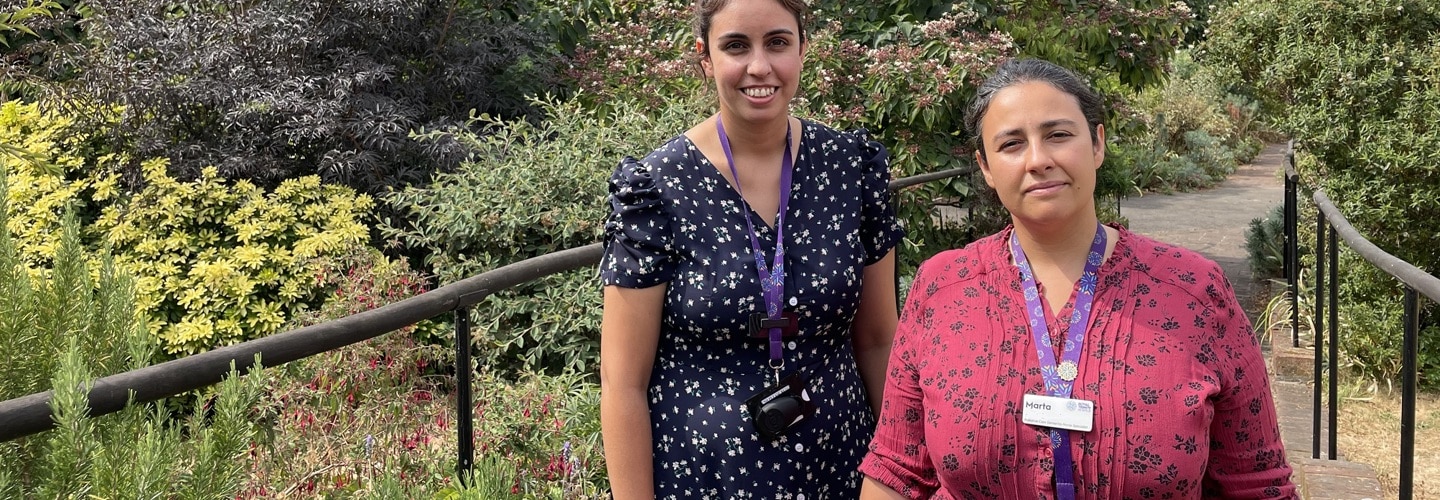
The Community Dementia team is here to support Trinity patients who have a diagnosis of dementia who are still living at home. Our work is split into two different areas across the area we serve – seeing patients north and south of the river.
In the last three years we have seen an increase in the number of people being referred to Trinity’s Community Dementia team for our help which we attribute to more professionals knowing about us and our great levels of care!
Our patients typically come to us through a GP referral or if they have ended up in hospital and need hospice help because of the complex make-up of their mental and physical health.
When we go to see a patient there is a lot we can do, we normally start with an assessment to see what specialist palliative care they might benefit from. But we also liaise closely with their GP and other community teams who may already be coming in to see them.
Having conversations with the patient about their advance care plan is really important, giving them a chance to talk about their wishes, perhaps identifying who they would like to nominate as a next of kin or their lasting power of attorney.
The person we are seeing might not be able to speak as much as they used to before their illness, but we can try to find ways of working with them that is respectful, honest and essentially ethical when dealing with sensitive and complex issues. Noting their written wishes is one way we can do this.
In Mid October Royal Trinity Hospice held Hospice Care Week 2022 and were able to discuss our work with those in the community. Here’s what that entailed:
Those present heard from our Community Engagement Manager, a Ward Sister, our Director of Patient Services, Director of HR & OD, a Senior Social Worker, a Clinical Nurse Specialist, and a Fundraising Manager, who all spoke about the important role they and their teams play in ensuring we provide the best possible care to those who needs us.
There were great conversations about the specialist end-of-life and palliative care we provide at Trinity as well as hospice care in general, and we were able to answer lots of questions from members of the community, which we have included a few at the bottom of this blog.
Thank you to everyone that came along! We look forward to hosting more tours in the future so that we can continue meeting new members of the community and spreading our reach even further. Please keep an eye on our website and social media for future dates!
Questions our guests had on the night:
What do you mean by a ‘catchment area’?
We support people aged 18 or over who have a progressive, life-limiting condition and live in our catchment area. Our catchment area covers the whole of the London borough of Wandsworth, and parts of Lambeth, Merton, Westminster, Richmond upon Thames, Kensington and Chelsea and Hammersmith and Fulham. This is where we can provide our inpatient, outpatient and community care.
Do you have chaplains, and do you conduct services?
Staff at the hospice, both in the inpatient unit and in the community, will include any spiritual or religious needs you have in your care. We also have a Spiritual Care Lead who can support you and your family and friends if that is what you want. Furthermore, we can contact local clergy and faith leaders on your behalf should you wish – just ask a member of staff at Trinity. We also have a group of Spiritual Care Volunteers who offer a listening ear and support if and when you need it. The team also works with interpreters to ensure that every patient and their loved ones can access the support they need, regardless of their language and/or communication needs.
How do patients get referred?
Patients can make a self-referral, or can be referred by a GP/hospital, or through family and friends. Read more here about eligibility and how to make a referral here at the button below.