How common are heart attacks?
Around 80,000 people are admitted to hospital following a heart attack. The earlier someone seeks help if they suspect the are having a heart attack the better the prognosis. Currently the survival rate is about 7 in 10. The NHS are encouraging people to call the emergency services earlier. it is estimated this would help to 9 out of 10 people to make a full recovery.
- Heart and circulatory disease, also known as cardiovascular disease, causes a quarter of all deaths in the UK. It is the largest cause of premature mortality in deprived areas.
- Between April 2019 and March 2020 over 86,500 people had a heart attack (and were admitted to hospital) across England, Wales and Northern Ireland
Consequently the NHS are running a major campaign to help people recognise early signs and symptoms.
Signs and symptoms of a heart attack:
New NHS research shows that 70% of those surveyed understood that pain in the chest is a symptom of a heart attack. However, just 41% knew sweating was a symptom. Only 27% understood feeling weak, lightheaded or a feeling of general unease were also symptoms.
- Symptoms of a heart attack can include:
- chest pain – a sensation of pressure, heaviness, tightness or squeezing across the chest
- pain in other parts of the body. It can feel as if the pain is spreading from your chest to your arms. (Usually the left arm is affected, but it can affect both arms), jaw, neck, back and tummy (abdomen).
- feeling lightheaded or dizzy
- sweating
- shortness of breath
- feeling sick (nausea) or being sick (vomiting)
- an overwhelming sense of anxiety (similar to having a panic attack)
- coughing or wheezing
- Chest pain can be severe. However some people may only experience minor pain, similar to indigestion. The most common symptom of a heart attack in both men and women is chest pain. But women are more likely to experience other symptoms such as shortness of breath, nausea/vomiting and back or jaw pain.
Post-menopausal women and people with Diabetes are less likely to experience chest pain.
What is the difference between a heart attack, cardiac arrest and angina?
A heart attack occurs when the supply of blood to the heart becomes blocked. This can starve it of oxygen potentially causing serious muscle damage. Someone having a heart attack will be conscious and breathing.
A cardiac arrest is different – it usually occurs suddenly and without warning with the person quickly losing consciousness. Their heart stops, they will have no pulse and sadly people experiencing a cardiac arrest will usually die within minutes if they do not receive CPR and treatment. A heart attack can lead to a cardiac arrest.
What’s a heart attack?
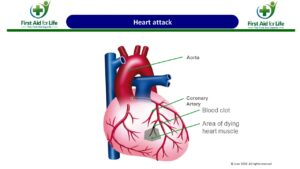
A heart attack occurs when one of the coronary arteries becomes blocked. The heart muscle is robbed of its vital blood supply and, if left untreated, will begin to die because it is not getting enough oxygen. If you are having a heart attack you are likely to be conscious and breathing. Cardiologists have a saying ‘Time is muscle’. This means that the longer a heart is deprived of oxygenated blood the more damage can occur. If someone is quickly transferred to hospital and the blood supply restored, they can make a good recovery.
What’s cardiac arrest?
A cardiac arrest is when a person’s heart stops pumping blood around their body and they stop breathing normally. If your heart stops pumping blood around your body your brain becomes starved of oxygen causing you to become unconscious and stop breathing.
If someone is in cardiac arrest they will be unconscious and need to receive CPR immediately. They will also need you to use a defibrillator and call an ambulance to give them a chance of recovery.
What is angina?
Angina is discomfort caused by heart muscle complaining due to a reduced blood supply as blood tries to force its way through a narrowed artery.
How to help someone having a heart attack:
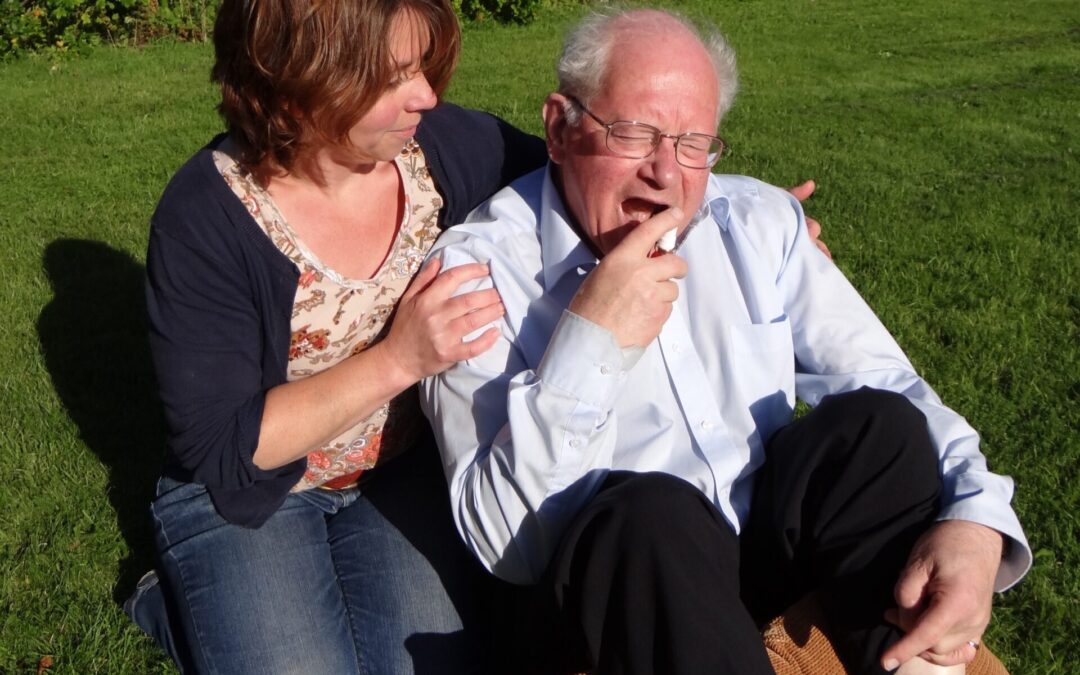
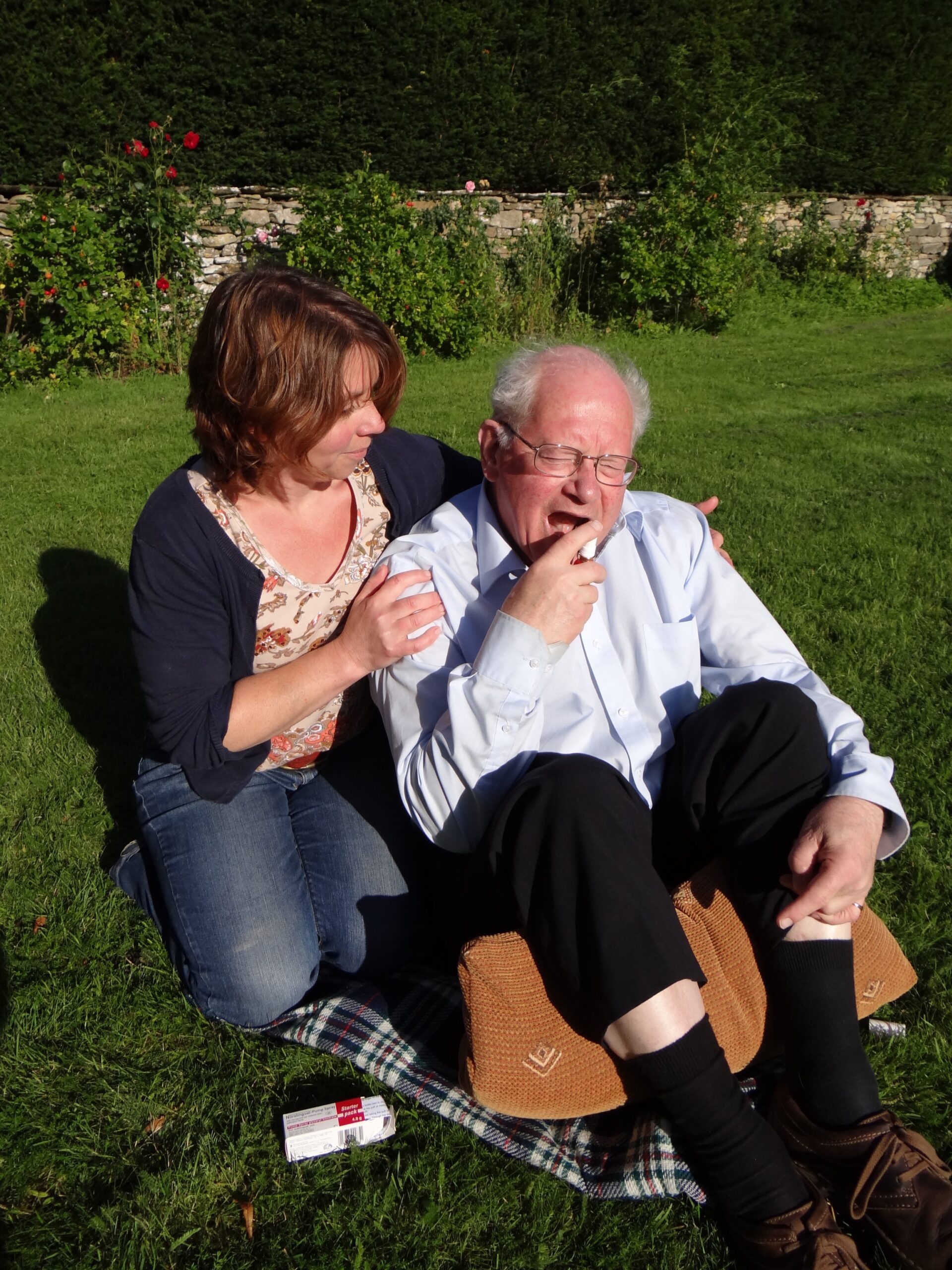
If you think someone might be having a Heart Attack, stay as calm as you can and encourage them to sit down. It will be easier for them to breathe if they remain upright and so you should support them in a comfortable position. Placing something under their knees can help their circulation.
If they have been prescribed a GTN spray, they should use this now (spray it under their tongue) and if they are suffering an angina attack (rather than a heart attack) this should help. GTN helps to dilate the blood vessels surrounding the heart to improve the flow to the muscles.
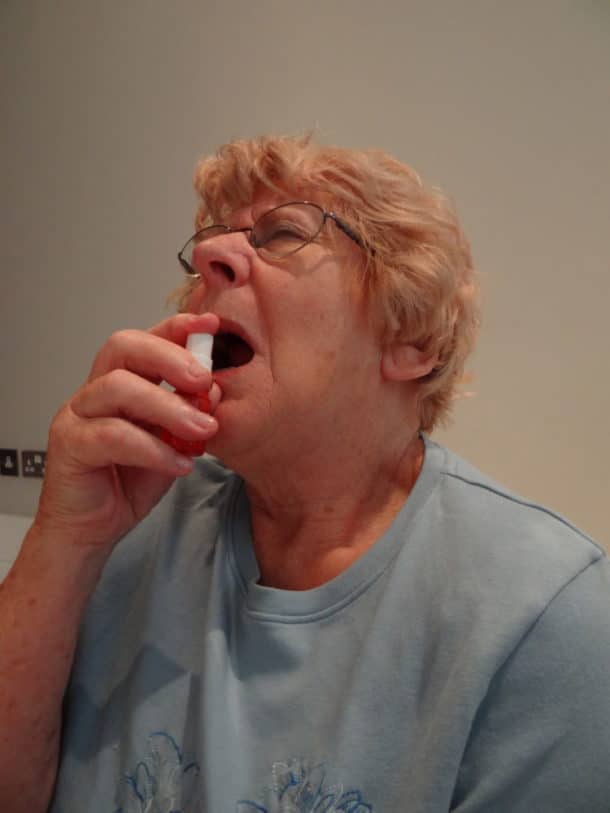
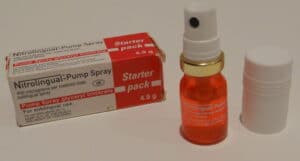
If the GTN does not help and they have been prescribed a 300mg Aspirin tablet, they should chew this.
Remain calm and reassuring around the casualty, but phone for an ambulance and if there is a defibrillator available get it now and discretely have it ready to use immediately if they lose consciousness and stop breathing.
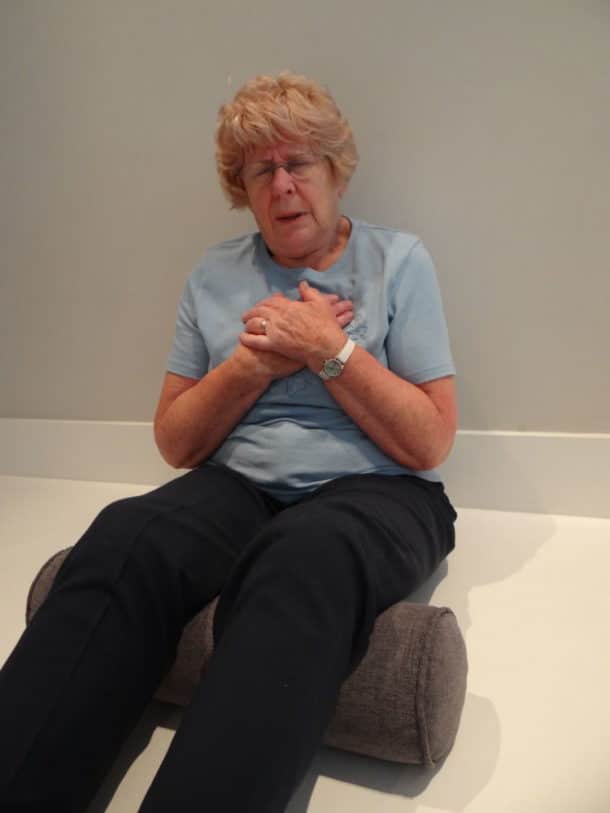
A heart attack can lead to a cardiac arrest.
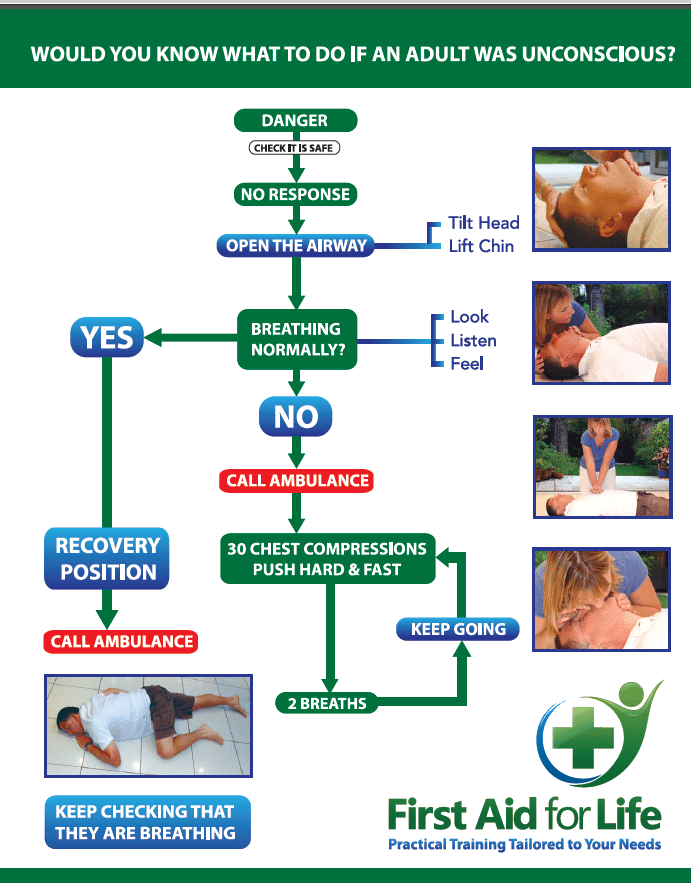
If they become unconscious and not breathing, phone an ambulance and start CPR – pushing hard and fast on the centre of the casualty’s chest – see the flow chart below. Deploy the defibrillator as soon as possible.
In the UK alone, there are over 30,000 Cardiac arrests occurring outside of hospital each year. Studies have shown that if someone has a Cardiac Arrest in the Community with no defibrillator immediately available, there is only a 6% chance of them surviving; even if someone is performing great CPR on them. However, if a defibrillator is used within the first 3 minutes of someone stopping breathing, their chances of survival jumps from 6% to a staggering 74% with a 10% reduction in survival rate for every minute of delay.
AEDs
Automatic, External Defibrillators (AED) are now widely available; located at many train and tube stations, shopping centres, dentists and GP Practices, sports grounds, leisure centres and offices. However, people do not always know where to find them and are often scared to deploy them – Read our article on common myths about defibrillators
The Karolinska Institute in Sweden are currently tested a drone which could deliver defibrillators to the scene of a casualty having a cardiac arrest. They can also remotely talk people through how to use them. Their research suggests that these drones could arrive at a destination up to four times faster than an ambulance, saving valuable time and increasing their chance of survival.

Natasha’s Law and new food labelling to prevent further allergy deaths
New proposals for tougher labelling on food set out by the government this week, aims to protect the 2 million food allergy sufferers in the UK, and give them greater confidence in the contents of and safety of their food, and crucially, to prevent further...

What happens when you dial 999 from making the call to when help arrives
It is the phone call none of us want to make. It means there’s an emergency and help is needed urgently. But do you know what to expect when you dial 999 and what you will be asked? Being aware of the procedures followed when you dial 999 could make you better...

The latest scams to be aware of and avoid this December
N T S S C A M A L E R T 10th December 2018 NTS Scams Team, updating you on the world of scams in the UK. Online scams Consumers warned to stay away from counterfeit goods this Christmas 3rd December 2018 Christmas shoppers have been urged to be vigilant...

Warning from fire chiefs – wheat bags can kill if used incorrectly
Cosy wheat bag presents are popular presents at this time of year, but can be lethal if you don't follow the instructions properly. At this time of year, a warming wheat bag can be a soothing solution to winter chills and stiff aching joints and muscles. Wheat bags...

New I AM SMART assessment tool is a useful aid for carers.
Preventative Assessment Framework I AM SMART Small changes in a person’s manner and well-being can often be the first signs of a range of illnesses. Spotting these changes early and addressing them quickly is an essential goal for care providers. The I AM SMART...

New Scam Alerts To Be Aware Of
N T S S C A M A L E R T 26th November 2018 NTS Scams Team, updating you on the world of scams in the UK. Online scams Police in Sussex are warning people about the dangers of falling victim to online romance criminals 14th November 2018 149 victims were...

Diabetes – essential information friends and family should know
Diabetes in a nutshell: the difference between high and low blood sugar - (Hyperglycaemia and Hypoglycaemia), what is diabetes and how to recognise there might be a problem. First Aid tips and advice for anyone with Diabetes and those who care for them. Going away...

Time and Leisure – Staying Safe for Older People
At the beginning of this month, on the United Nations International Day of Older Persons, the Royal Hospital Chelsea hosted the launch of a vital new initiative ‘Stay Safe for Older People’ with the aim to help older people lead healthy and independent lives. The Stay...

Age UK: Staying Safe at Home
Read Age UK's full article on staying safe at home by clicking here.

Citizens Advice Bureau – useful advice on getting help home improvements.
For the full article click here
If you have a defibrillator available; open it up and it will start talking to you. Dry the casualty’s chest and position the pads as illustrated on the pads themselves. Ideally someone should be doing CPR whilst another person is putting the pads onto the casualty’s chest and concentrating on the defibrillator. Keep going (listen to and observe the prompts from the machine) and do not stop until the paramedic is there and ready to take over or the casualty begins to regain consciousness.