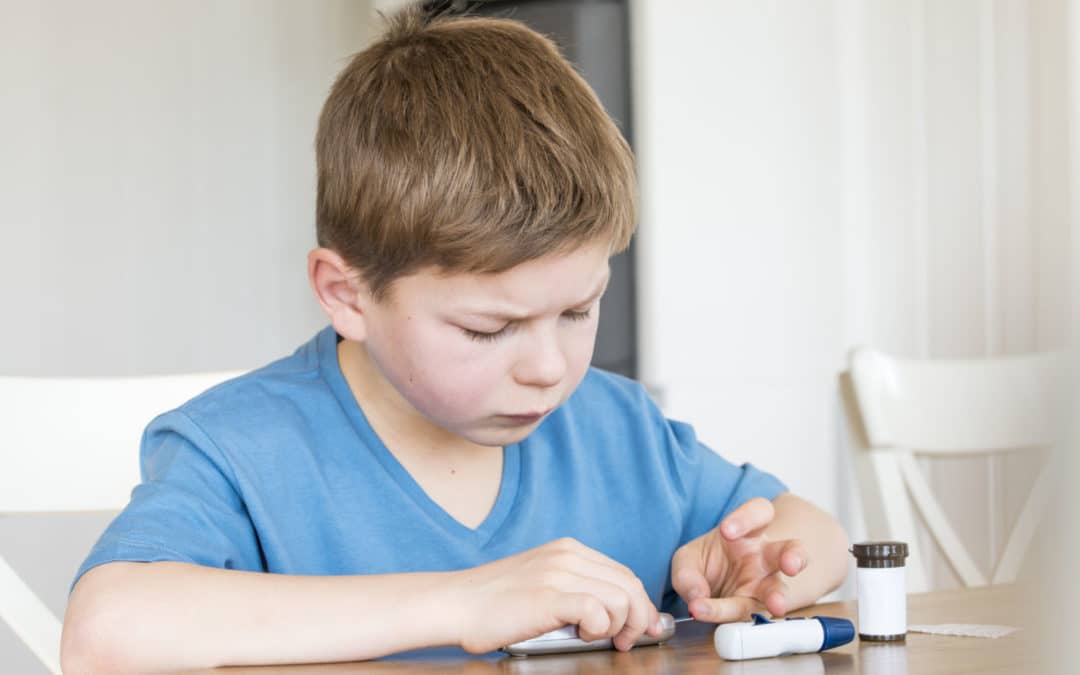
Every day, 65 people in the UK die early as a result of diabetes. Therefore, it is important to know how to help a diabetic whose life is in danger.
What is it?
Diabetes is a condition where someone is unable to adequately regulate their blood glucose levels. The body produces the hormone insulin which helps the body burn off sugars. If someone’s body has problems with insulin production, they will develop diabetes.
Type 1 Diabetes

This usually develops early in life and is the most common type of diabetes in children. It occurs when the body is unable to produce any insulin. Type 1 diabetes is treated with insulin injections, or by using an insulin pump.
Type 2 Diabetes
This is the more widespread type. It tends to develop later in life, and it often has links with obesity. Type 2 diabetes develops when the body is unable to make enough insulin, or when it produces insulin, but this does not work properly (known as insulin resistance). Diet, exercise or oral medication – or a combination of all 3 control type 2 Diabetes.
First aid treatment for diabetes is more likely to be necessary for low blood sugar levels than high. This is because high blood sugar levels usually build over a few days or weeks, whereas low levels can come on very fast. Blood sugar can drop very quickly if the person has missed a meal or done any strenuous exercise.
If you are looking after someone who develops weight loss, excessive urination, thirst and tiredness, these are symptoms of hyperglycaemia and they should get urgent medical attention. If they get worse, begin to get drowsy and start to lose consciousness, phone for an ambulance.
Low Blood Sugar/Hypoglycaemia
Blood glucose levels can drop very fast if someone who is diabetic has skipped a meal, taken a lot of exercise, if they are ill, or took too much insulin. If this is not treated quickly they can rapidly start to lose consciousness and fall into a diabetic coma. This can be fatal.
Signs and symptoms
- Behaving unusually
- May be aggressive
- Could appear slightly confused or drunk
- Might be pale, cold, shaky and sweaty
- They have shallow, rapid breathing and a fast, strong pulse
- They could have seizures.

Treatment
- Sit them down and give them a sugary drink, or glucose sweets (not a diet drink).
- If they begin to feel better, give more drinks and some food, particularly biscuits or bread to sustain their blood sugar – a jam sandwich is great.
- In case they don’t feel better within 10 minutes or they begin to get worse phone the emergency services.
- If they lose consciousness but are breathing, put into the recovery position and phone the emergency services.
- If they stop breathing, prepare to give CPR.
Do not attempt to give an unconscious casualty anything to eat or drink. And never give them insulin as this will further lower their blood sugar and could kill them.
Even if someone appears to have recovered, ensure they receive urgent medical advice. This is particularly important at night, as insulin will still be active in the blood stream while they are asleep and the blood sugar levels will therefore drop again and they could drift from sleeping to unconsciousness.
November 2022 update


Anaphylaxis, Asthma, Diabetes and Epilepsy – an annual refresher course for School Staff and Child Carers Anaphylaxis, Asthma, Diabetes and Epilepsy – an annual refresher course for School Staff and Child Carers
About us
First Aid for Life provide award-winning first aid training tailored to your needs – Please visit our site and learn more about our practical and online courses. It is vital to keep your skills current and refreshed. Book onto our First Aid for Drivers course for more information about how to assist in road related medical emergencies.
It is strongly advised that you attend a fully regulated Practical or Online First Aid course to understand what to do in a medical emergency. Please visit https://firstaidforlife.org.uk or call 0208 675 4036 for more information about our courses.
First Aid for Life is a multi-award-winning, fully regulated first aid training provider. Our trainers are highly experienced medical, health and emergency services professionals who will tailor the training to your needs. Courses for groups or individuals at our venue or yours.
First Aid for life provides this information for guidance and it is not in any way a substitute for medical advice. First Aid for Life is not responsible or liable for any diagnosis made, or actions taken based on this information.
We highly recommend that you attend a practical or online first aid course to learn how to help in a medical emergency.
First Aid for Life and onlinefirstaid.com provides this information for guidance and it is not in any way a substitute for medical advice. First Aid for Life is not responsible or liable for any diagnosis made, or actions taken based on this information. The best way to be prepared for action in an emergency is to attend a practical first aid course.
For more information please visit: www.firstaidforlife.org.uk or contact emma@firstaidforlife.org.uk 0208 675 4036